


The Transformative Power of Yoga in Enhancing Emotional Resilience

Emotional resilience helps us face challenges, recover from setbacks, and maintain mental balance. Many seek ways to strengthen this inner strength, and yoga offers a practical, accessible path. This ancient practice combines physical movement, breath control, and mindfulness to build emotional resilience. Understanding how yoga supports emotional health can inspire anyone to use it as a tool for coping with life’s ups and downs.
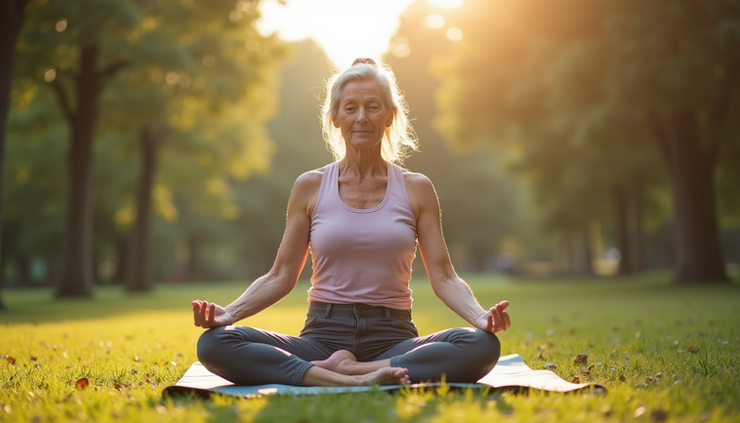
How Yoga Connects Mind and Body to Build Emotional Strength
Yoga is more than physical exercise. It creates a deep connection between the mind and body, which is essential for emotional resilience. When you practice yoga, you learn to observe your thoughts and feelings without judgment. This awareness helps reduce emotional reactivity and increases your ability to respond calmly to stress.
Breath control (pranayama) calms the nervous system and lowers anxiety.
Mindful movement encourages presence, reducing rumination on past or future worries.
Meditation and relaxation techniques promote emotional balance and mental clarity.
For example, a senior practicing slow, mindful yoga poses can notice tension in the body linked to stress. By consciously releasing this tension and focusing on breath, they develop a habit of managing emotional discomfort with patience and calm.
Specific Yoga Practices That Enhance Emotional Resilience
Certain yoga techniques are particularly effective for building emotional strength. These practices can be adapted for all ages, including seniors, to support mental well-being.
Breath Awareness and Control
Breathing exercises help regulate emotions by influencing the autonomic nervous system. Techniques such as alternate nostril breathing or deep diaphragmatic breathing reduce cortisol levels, a hormone linked to stress.
Practice slow, deep breaths for 5 minutes daily.
Use breath focus during moments of anxiety to regain calm.
Gentle Movement and Stretching
Yoga poses that emphasize gentle stretching and balance improve body awareness and reduce physical tension. This physical release often translates into emotional relief.
Poses like Child’s Pose, Cat-Cow, and Legs-Up-The-Wall are accessible and soothing.
Holding poses with mindful attention encourages patience and acceptance.
Meditation and Mindfulness
Meditation cultivates emotional resilience by training the mind to stay present and observe thoughts without attachment. This reduces emotional overwhelm and builds mental clarity.
Start with 5 to 10 minutes of guided meditation.
Focus on sensations, breath, or a calming word to anchor attention.
Restorative Yoga
Restorative yoga uses props to support the body in restful poses, promoting deep relaxation and stress relief. This practice helps reset the nervous system and fosters emotional recovery.
Use bolsters, blankets, or cushions to support the body.
Hold poses for several minutes to encourage full relaxation.
The Role of Yoga in Supporting Seniors’ Emotional Resilience
Seniors face unique emotional challenges such as coping with loss, health changes, or social isolation. Yoga offers a gentle, adaptable way to build resilience and improve quality of life.
Yoga improves flexibility and balance, reducing fear of injury and promoting independence.
The mindful aspect helps seniors process emotions and reduce anxiety or depression.
Group yoga classes provide social connection, which supports emotional health.
For example, a senior attending a weekly yoga class may find not only physical benefits but also a supportive community that helps combat loneliness and builds emotional strength.

Practical Tips for Incorporating Yoga into Daily Life for Emotional Strength
Building emotional resilience through yoga requires consistent practice and a mindful approach. Here are some tips to get started and maintain progress:
Set realistic goals: Start with short sessions and gradually increase duration.
Create a quiet space: Find a calm area free from distractions.
Use online resources or local classes: Guided instruction helps maintain proper technique.
Listen to your body: Modify poses to avoid discomfort or injury.
Combine yoga with journaling: Reflect on emotional changes after practice.
Practice regularly: Even 10 minutes daily can make a difference over time.
Real-Life Examples of Yoga Supporting Emotional Resilience
Many people report improved emotional well-being after adopting yoga. For instance, a senior recovering from surgery used gentle yoga and breathwork to manage pain and anxiety. Over several months, they noticed reduced stress and a more positive outlook.
Another example is a middle-aged individual facing job loss who turned to yoga and meditation. This practice helped them stay grounded, reduce panic, and approach new opportunities with confidence.
These stories show how yoga can be a practical tool for anyone seeking emotional strength.

Moving Forward with Yoga for Emotional Resilience
Yoga offers a clear path to build emotional resilience through mind-body connection, breath control, and mindful movement. Whether you are a senior or a younger adult, incorporating yoga into your routine can help you face life’s challenges with greater calm and strength.
Start small, stay consistent, and notice how your emotional responses shift over time. Yoga is not a quick fix but a lifelong practice that supports mental balance and emotional health.
Explore local classes, online videos, or books to find the style that fits your needs. Your emotional resilience will grow as you deepen your yoga practice, helping you navigate life with confidence and peace.

Comments